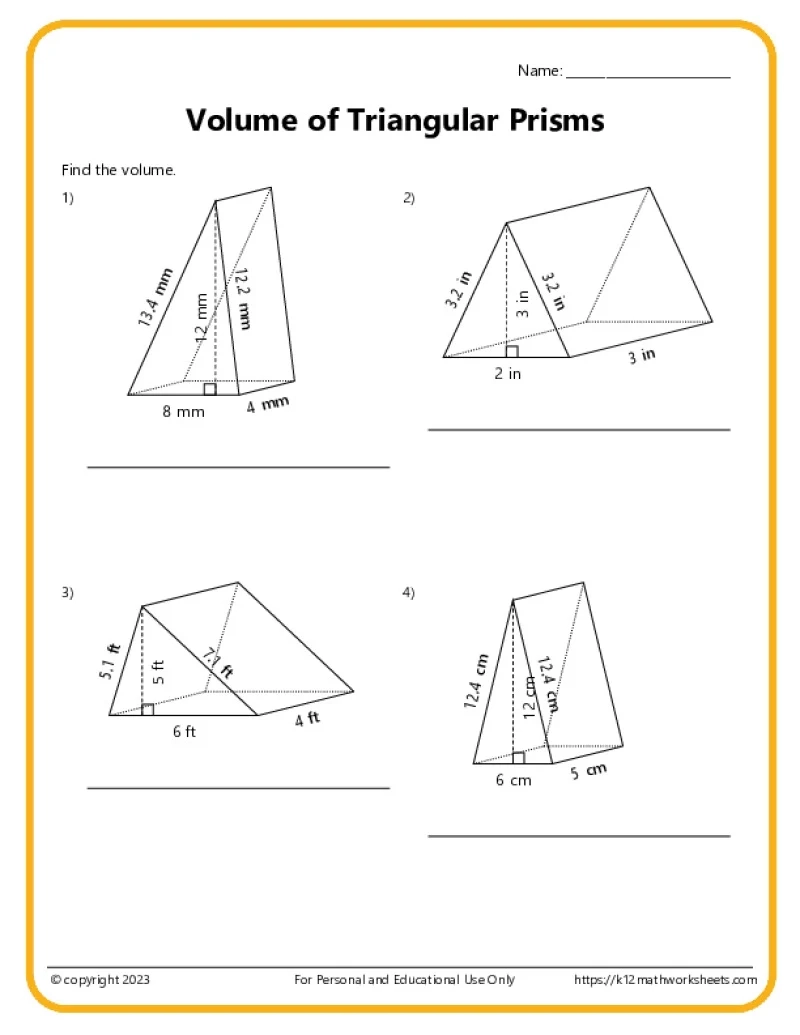
Understanding the Triangular Prism Surface Area Worksheet
Triangular prisms are fascinating geometric shapes that have practical applications in various fields, including architecture, engineering, and design. A triangular prism consists of two triangular bases and three rectangular faces connecting the corresponding sides of the triangles. Understanding how to calculate the surface area of a triangular prism is essential for students and professionals alike. This knowledge not only enhances mathematical skills but also aids in real-world problem-solving scenarios.
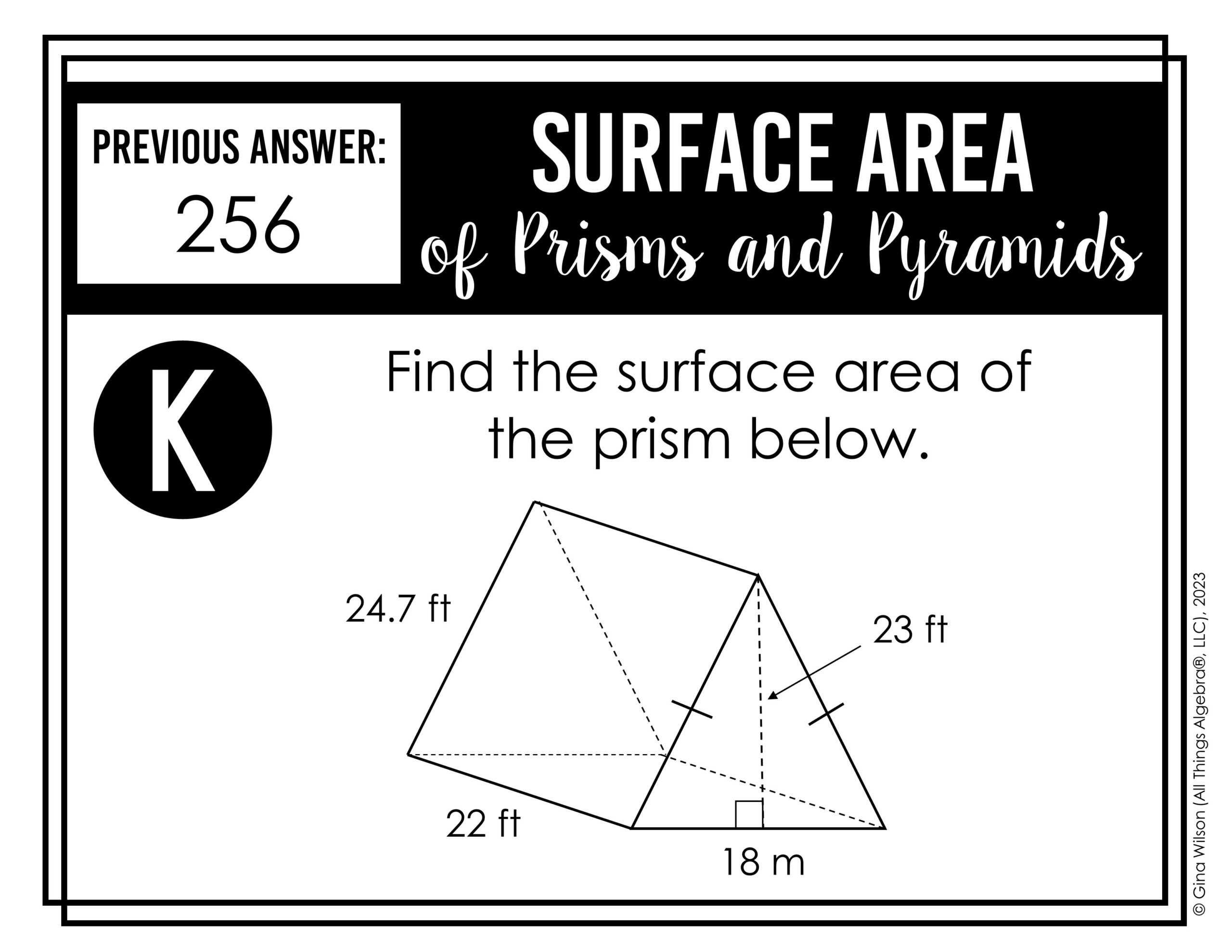
To effectively grasp the concept of surface area, worksheets can be an invaluable resource. They provide structured exercises that help learners practice calculating the surface area of triangular prisms. By working through these worksheets, students can reinforce their understanding of geometry and improve their ability to apply formulas accurately. This article will explore the components of a triangular prism surface area worksheet and how it can benefit learners.
Triangular Prism Surface Area Worksheet
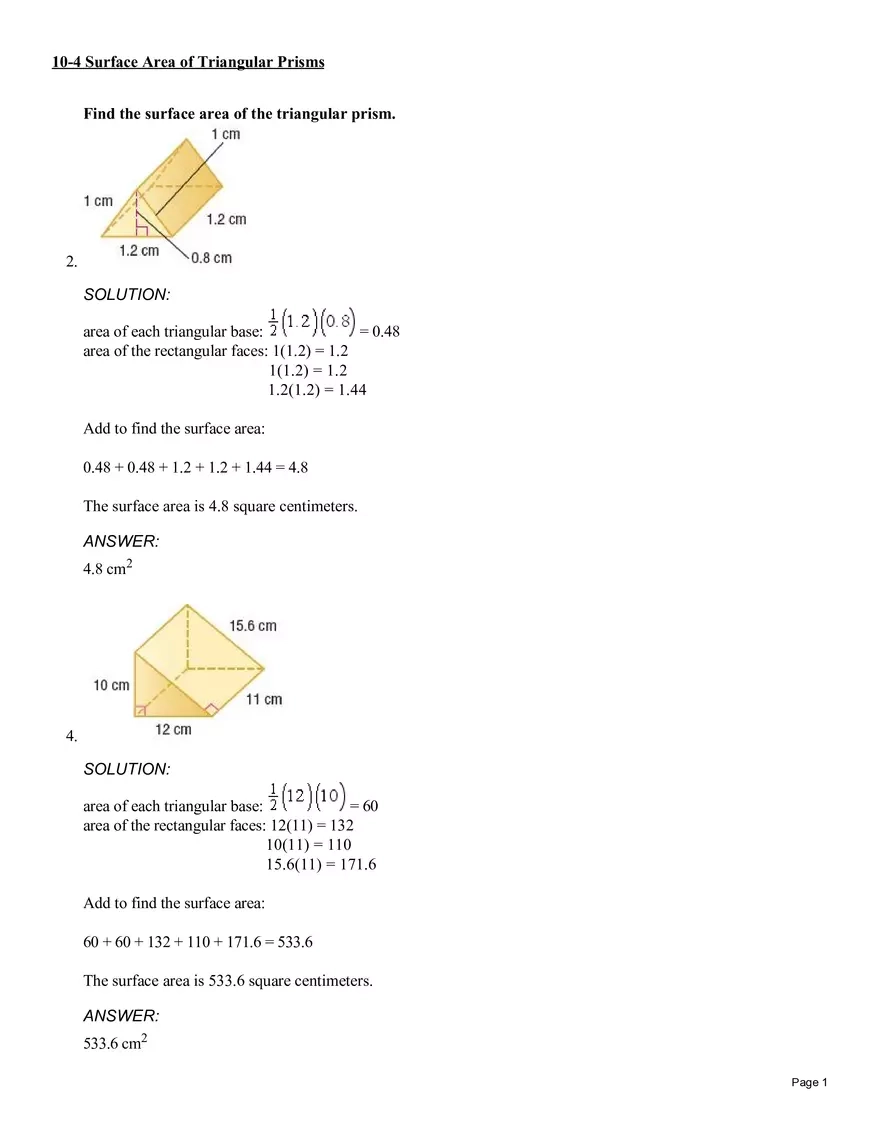
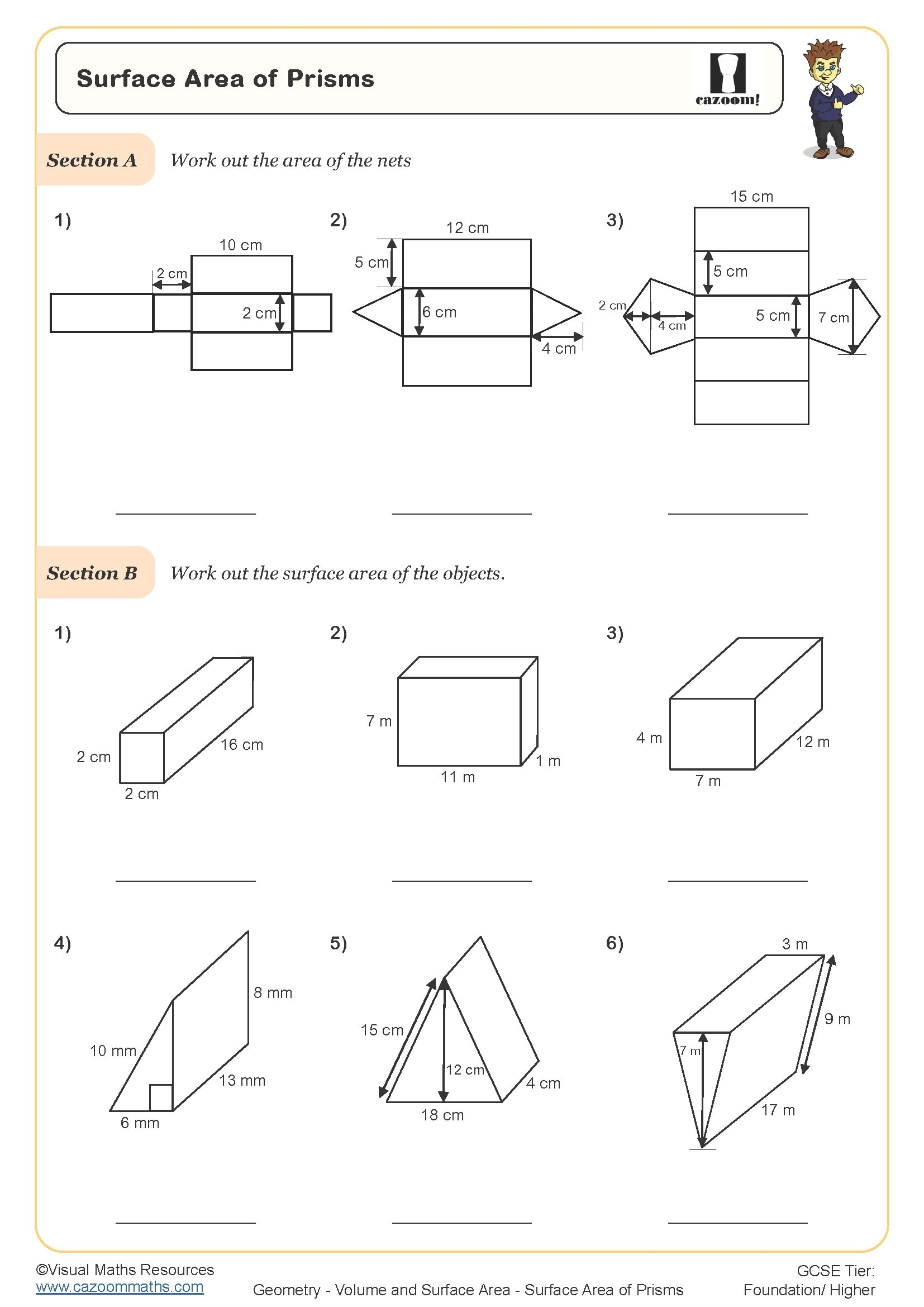
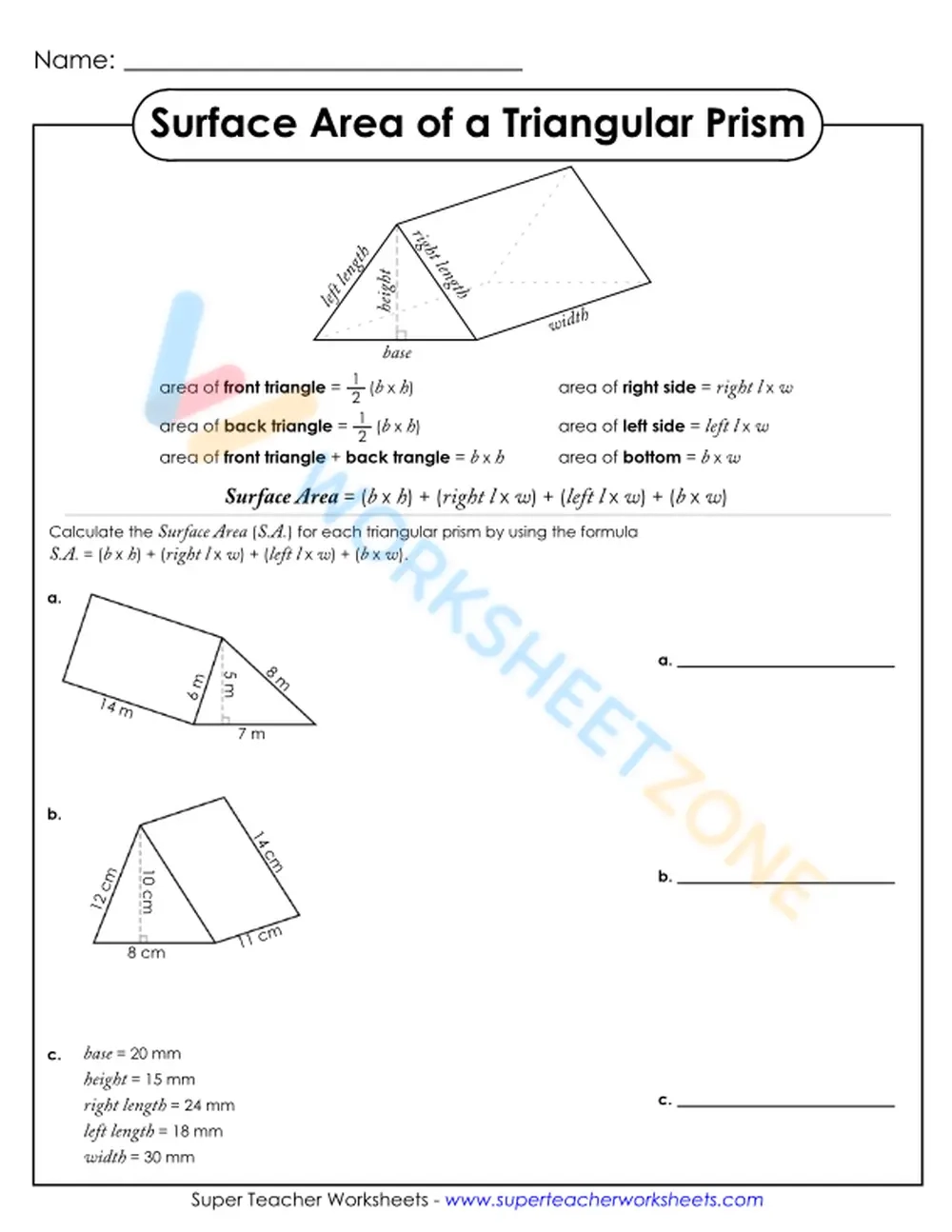
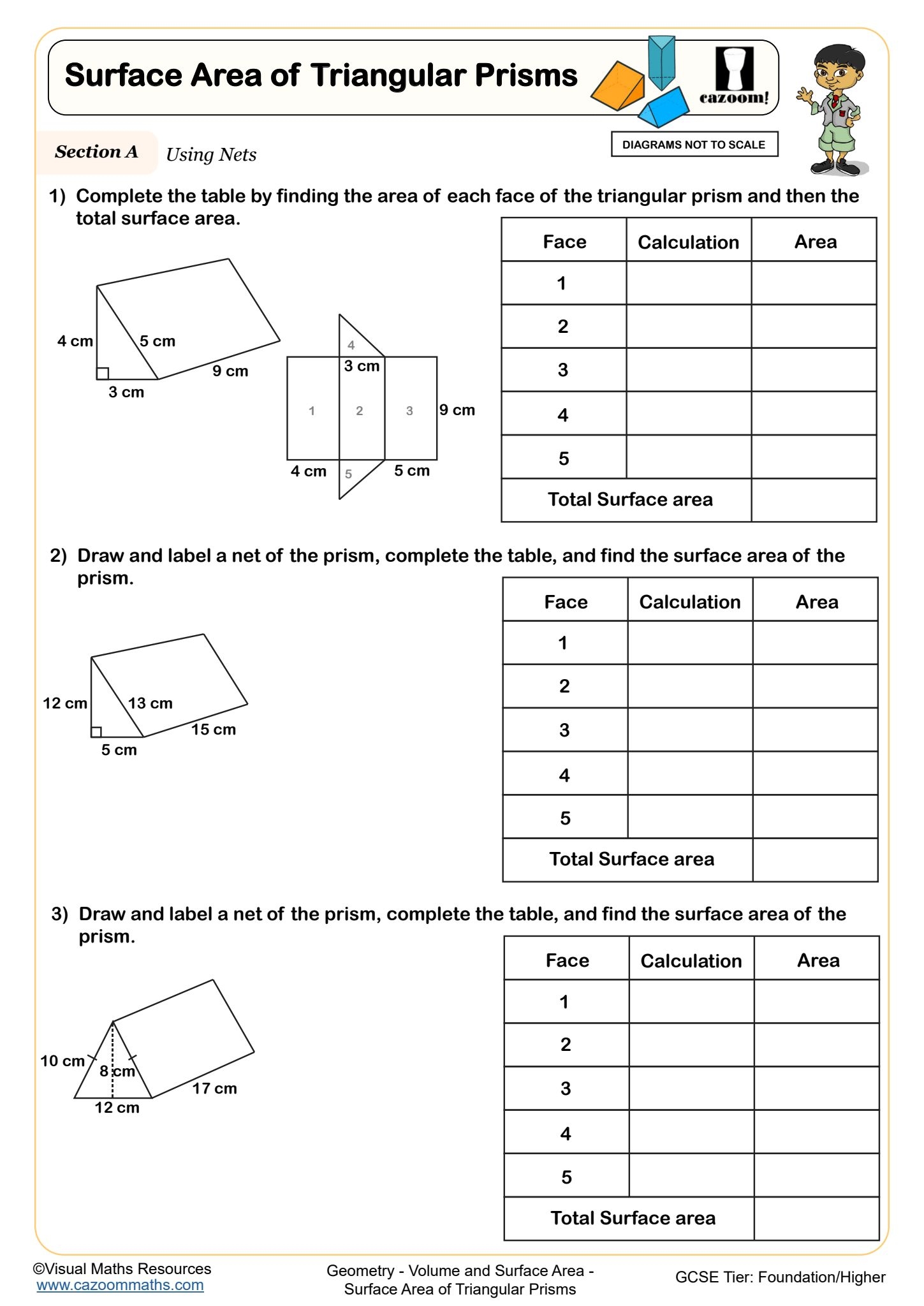
A triangular prism’s surface area can be calculated using a specific formula: SA = bh + l * p, where SA represents the surface area, b is the base area, h is the height of the prism, l is the length of the prism, and p is the perimeter of the triangular base. Worksheets typically include various problems that require students to apply this formula in different contexts. This variety helps learners develop a deeper understanding of how each component contributes to the overall surface area.
Worksheets may present problems with different types of triangles as bases, such as equilateral, isosceles, or scalene triangles. Each type requires a unique approach to calculate the base area and perimeter. For instance, an equilateral triangle has equal sides, making it easier to compute its perimeter and area compared to a scalene triangle. By encountering diverse problems, students enhance their critical thinking and adaptability in solving geometric challenges.
In addition to basic calculations, some worksheets may include word problems that apply real-life scenarios involving triangular prisms. For example, students might be asked to determine how much paint is needed to cover a triangular prism-shaped object or how much material is required for construction purposes. These practical applications make learning more engaging and relevant while reinforcing mathematical concepts.
Furthermore, worksheets often provide step-by-step solutions or answer keys that allow students to check their work. This immediate feedback is crucial for identifying mistakes and understanding where improvements can be made. Teachers can also use these worksheets as assessment tools to gauge student comprehension and progress in geometry.
In conclusion, triangular prism surface area worksheets are essential educational tools that enhance understanding of geometric principles. They offer structured practice opportunities that cater to various learning styles while promoting critical thinking skills. By mastering the calculations involved in determining surface areas, students not only excel academically but also gain valuable skills applicable in real-world situations.
Download and Print triangular prism surface area worksheet Listed below