Understanding Multiple Worksheets Pivot Tables
Pivot tables are powerful tools in data analysis, allowing users to summarize and analyze large datasets efficiently. They enable users to extract meaningful insights from complex data by organizing it into a more digestible format. When working with multiple worksheets, pivot tables can become even more valuable, as they allow for comprehensive analysis across various data sources without the need for manual consolidation.
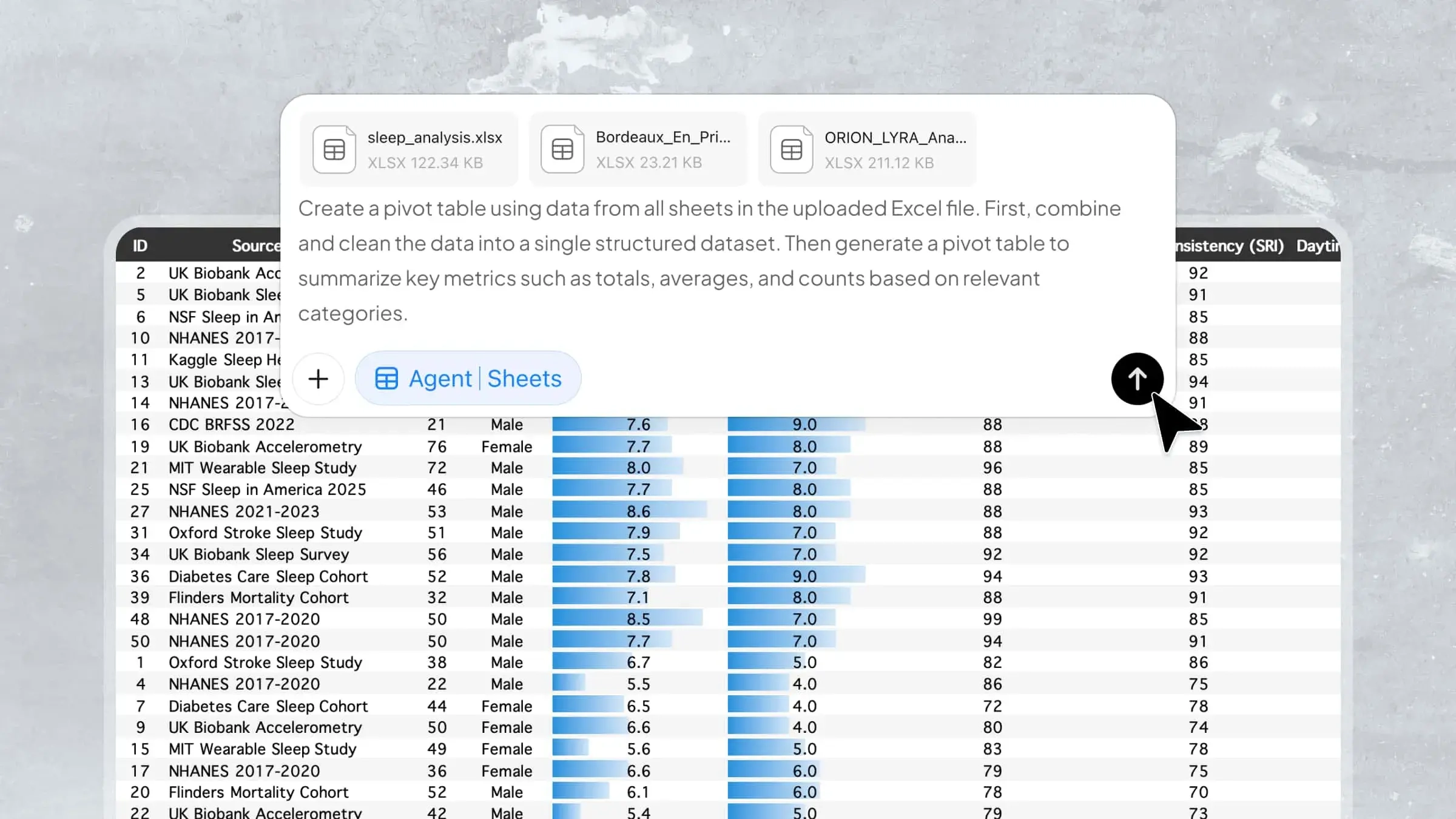
In many organizations, data is often spread across different worksheets or even different files. This fragmentation can make it challenging to gain a holistic view of the information. However, by utilizing pivot tables that incorporate multiple worksheets, users can seamlessly aggregate and analyze data from various sources. This capability not only saves time but also enhances accuracy in reporting and decision-making.
Multiple Worksheets Pivot Table
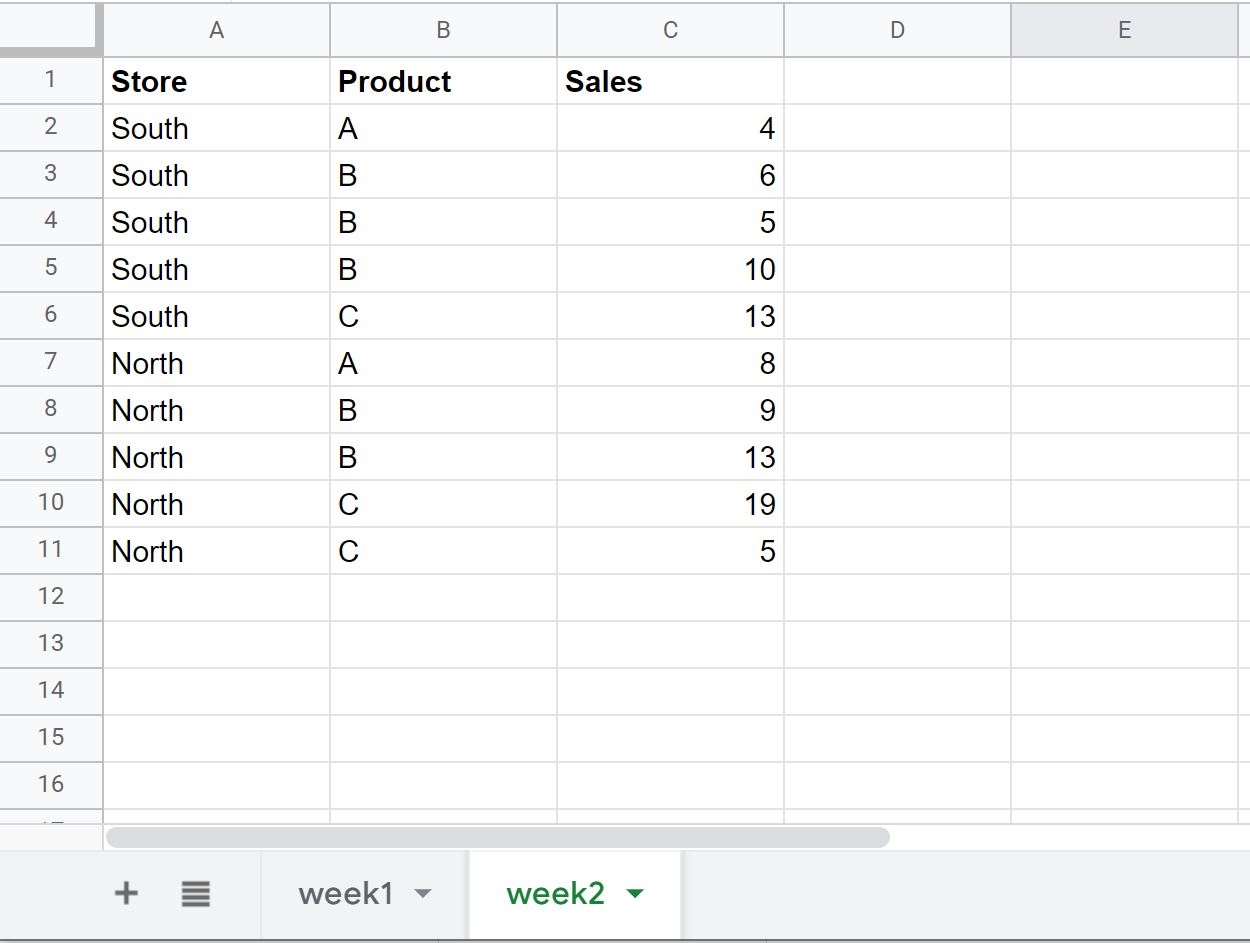
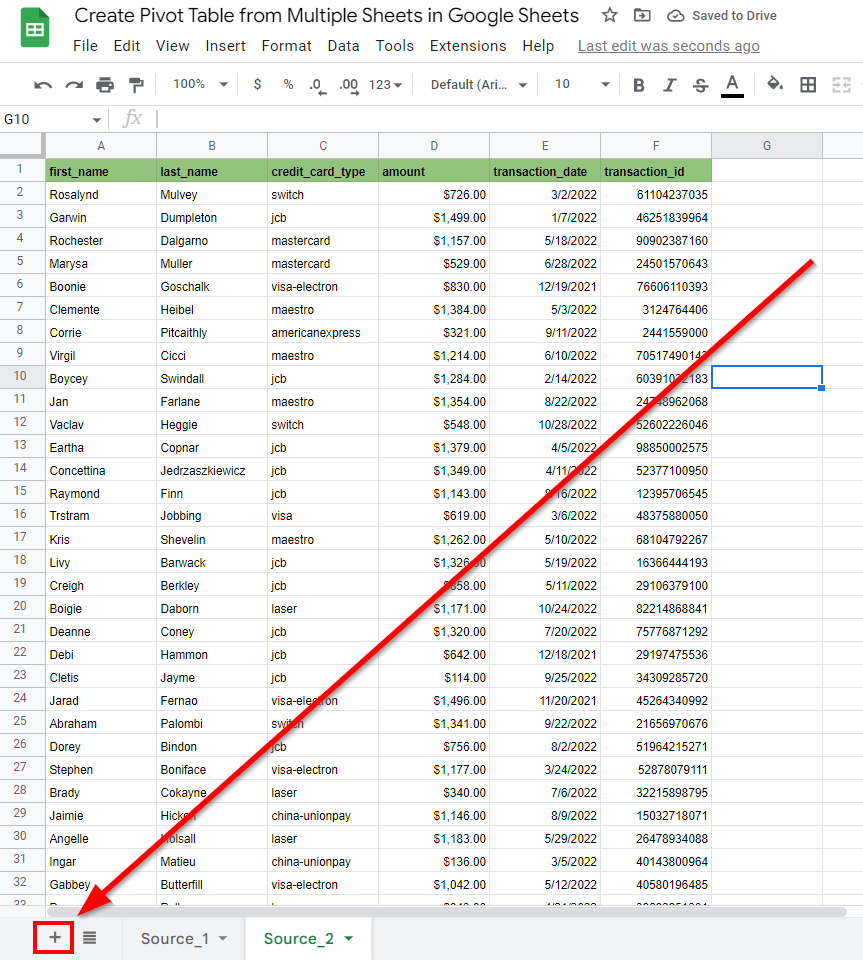
Creating a pivot table that spans multiple worksheets involves a few key steps. First, ensure that the data in each worksheet is structured similarly, with consistent column headers and data types. This uniformity is crucial for the pivot table to function correctly across different sources. Once the data is organized, users can proceed to create a pivot table that references these multiple ranges.
To create a pivot table from multiple worksheets in Excel, start by selecting one of the worksheets and navigating to the “Insert” tab. From there, choose “PivotTable” and select “Use this workbook’s Data Model.” This option allows you to add data from other worksheets into your pivot table. You can then select the ranges from each worksheet that you want to include in your analysis.
After setting up your pivot table, you can customize it further by dragging fields into the Rows, Columns, Values, and Filters areas. This flexibility allows you to analyze your data from various perspectives. For instance, you might want to compare sales figures across different regions or product categories that are listed in separate worksheets.
Another advantage of using multiple worksheets in a pivot table is the ability to refresh your data easily. If any changes occur in the original datasets, you can simply refresh the pivot table to reflect those updates. This feature ensures that your analysis remains current without requiring extensive manual adjustments.
In conclusion, leveraging multiple worksheets within a pivot table significantly enhances data analysis capabilities. By consolidating information from various sources into one cohesive view, users can derive insights more effectively and make informed decisions based on comprehensive data analysis. Embracing this approach not only streamlines workflows but also empowers organizations to utilize their data more strategically.
Download and Print multiple worksheets pivot table Listed below