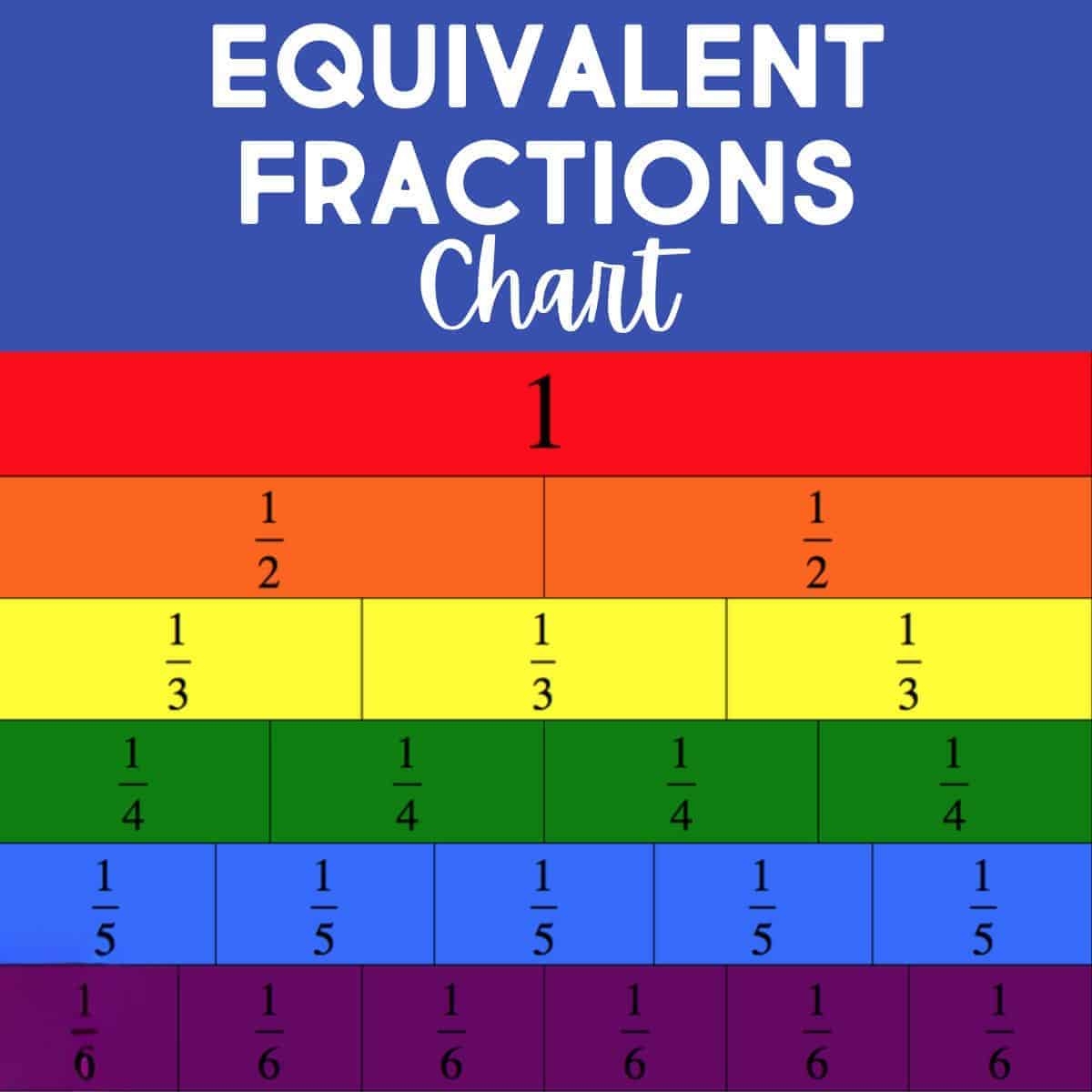
Understanding Equivalent Fractions: The Case of 3/6
Fractions are an essential part of mathematics, representing a part of a whole. They consist of two numbers: the numerator, which indicates how many parts we have, and the denominator, which shows how many equal parts the whole is divided into. Understanding fractions is crucial for various applications in everyday life, from cooking to budgeting. One common fraction that often comes up in discussions is 3/6. This fraction can be simplified to help us understand its equivalent forms better.
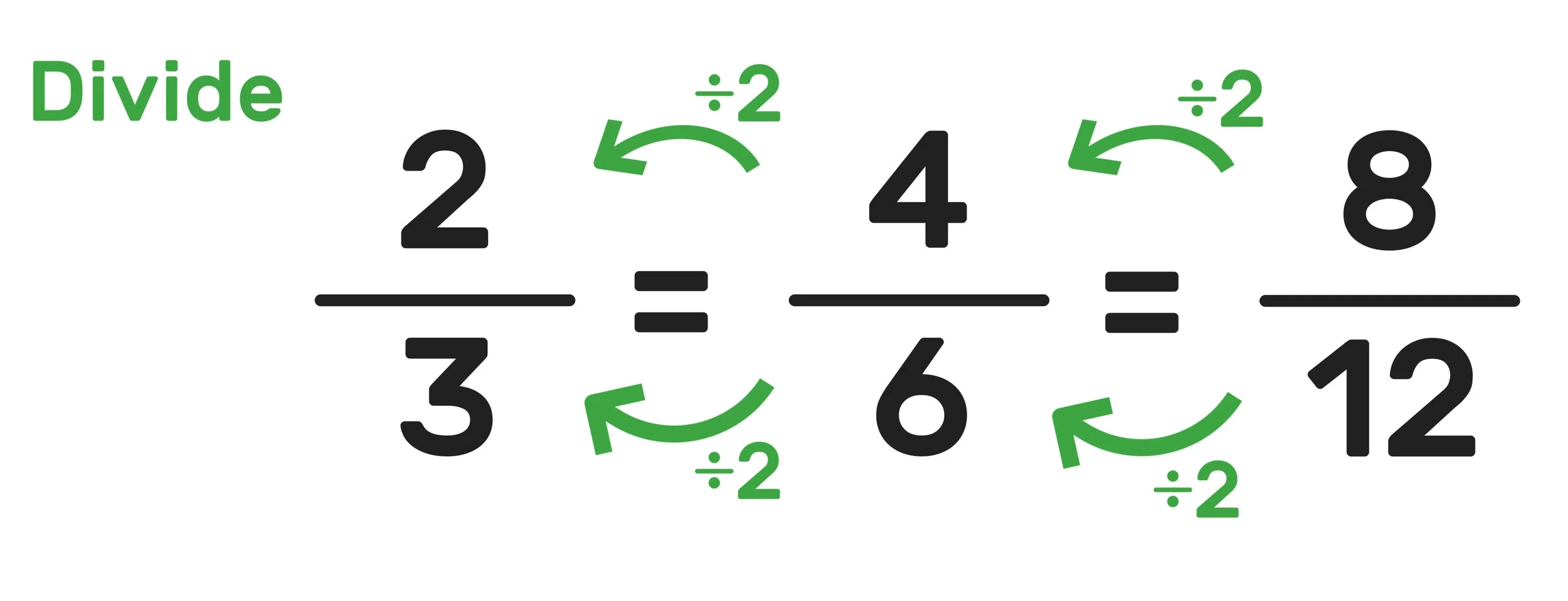
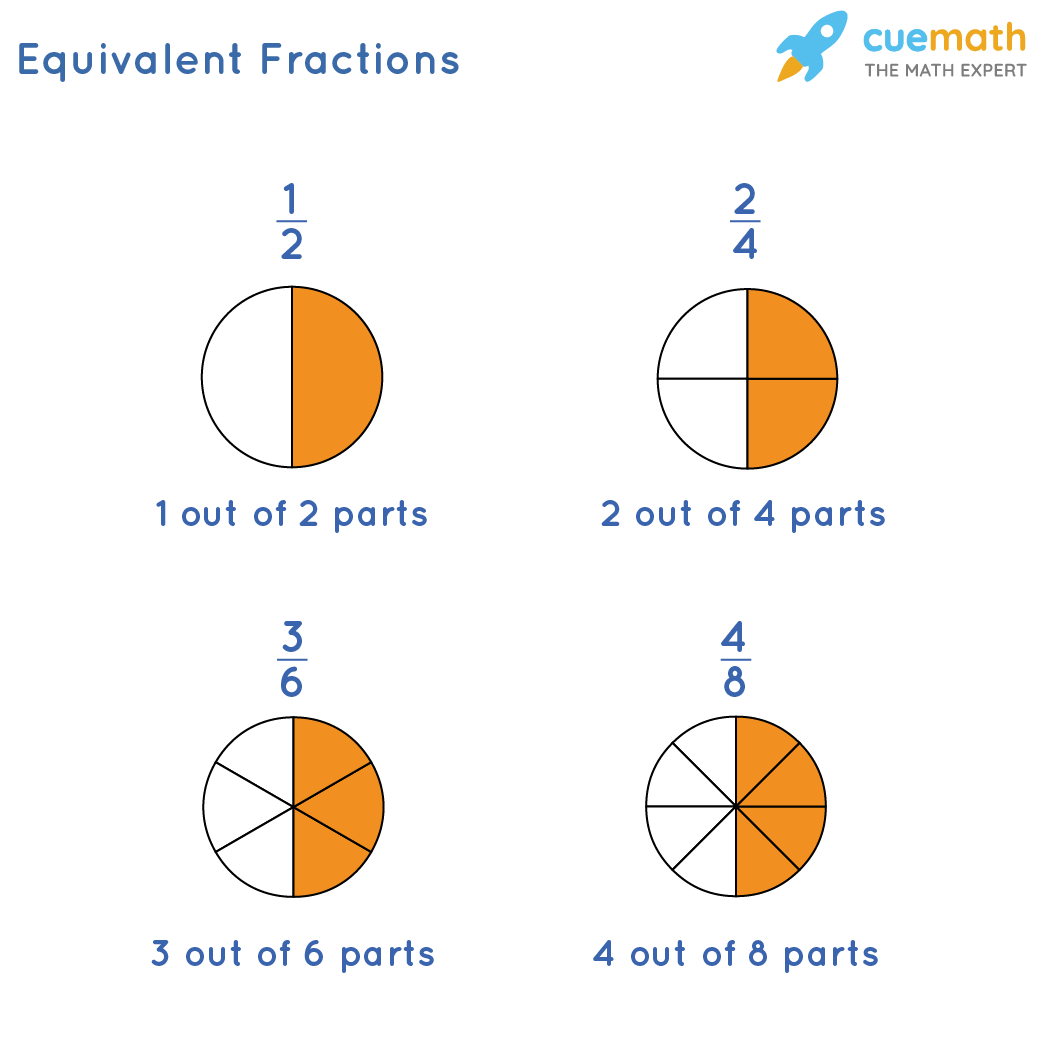
When we talk about equivalent fractions, we refer to different fractions that represent the same value or proportion of a whole. For example, 3/6 is equivalent to 1/2. This means that if you have three out of six equal parts, it is the same as having one out of two equal parts. Recognizing these relationships can simplify calculations and enhance our understanding of fractions in general.
What Fraction is Equivalent to 3/6?
The fraction 3/6 can be simplified by finding the greatest common divisor (GCD) of the numerator and denominator. In this case, both 3 and 6 can be divided by 3, which is their GCD. When we divide both the numerator and denominator by 3, we get:
- Numerator: 3 ÷ 3 = 1
- Denominator: 6 ÷ 3 = 2
Thus, when simplified, 3/6 becomes 1/2. This means that both fractions represent the same quantity; they are equivalent. Understanding this simplification process is vital for anyone learning about fractions.
Another way to visualize equivalent fractions is through fraction models or pie charts. If you were to draw a circle divided into six equal parts and shade three of them, you would see that this shaded area represents half of the circle. Similarly, if you drew another circle divided into two equal parts and shaded one part, it would also cover the same area as the first circle’s shaded portion. This visual representation reinforces the concept that 3/6 and 1/2 are indeed equivalent.
In practical applications, knowing equivalent fractions can help in various scenarios such as cooking or adjusting recipes. If a recipe calls for 3/6 of a cup of an ingredient, you can easily substitute it with 1/2 cup without changing the outcome of your dish. This flexibility makes understanding fractions not only an academic exercise but also a useful skill in daily life.
In conclusion, recognizing that 3/6 is equivalent to 1/2 enhances our understanding of fractions and their applications. Simplifying fractions helps us grasp their true value and makes calculations easier. Whether in academic settings or everyday situations, mastering equivalent fractions like these can significantly improve our mathematical skills.
Download and Print what fraction is equivalent to 3 6 Listed below